|
THE PUG CLUB OF NSW INC |
|
Buying a Pug
Buying a New Pug PuppyBringing a Pug puppy into your family is an exciting decision, but choosing the right breeder and a healthy, well-socialised puppy is an important part of responsible dog ownership. The Pug Club of NSW recommends that prospective puppy owners take the time to learn about the breed, visit breeders, meet the puppies and their mother, and ask questions before committing to a puppy. Choosing a Responsible BreederA responsible breeder should be happy to discuss their breeding program, the health and temperament of their dogs, and the particular characteristics and challenges of owning a Pug. Where possible, you should:
DOGS NSW recommends that puppies remain with their mother and breeder until they are at least eight weeks of age. Under the DOGS NSW Code of Ethics, a member must not release a puppy by sale before eight weeks of age, and puppies must be microchipped and vaccinated before leaving the member's care. Before Your Puppy Comes HomeBefore taking your puppy home, you should receive appropriate documentation and information about their care. This should include:
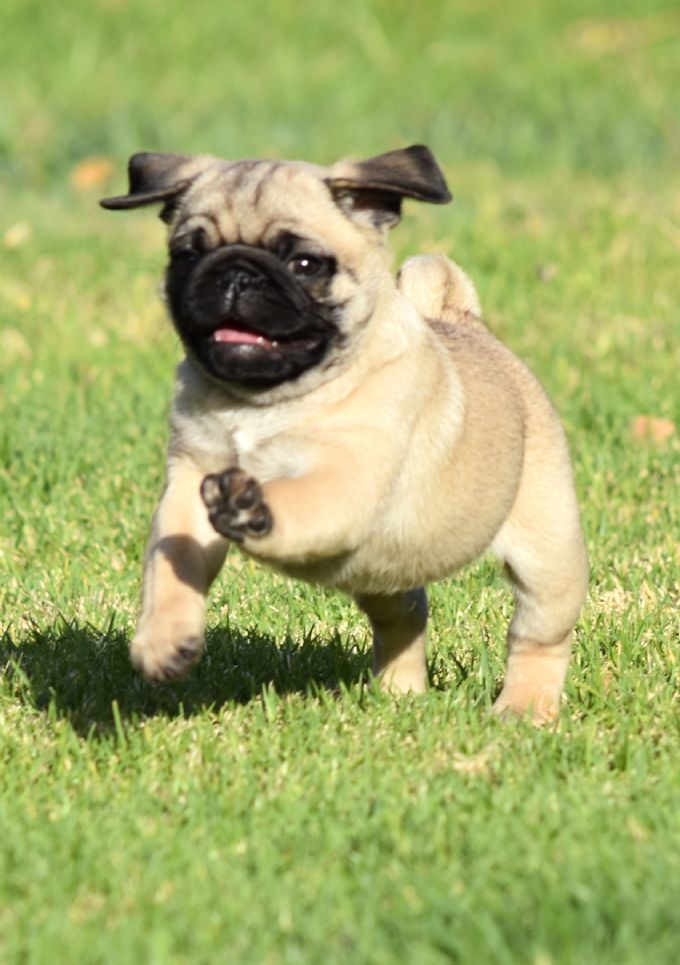
DOGS NSW members are required to provide purchasers with a current vaccination certificate and microchip documentation, and relevant health and veterinary information as required under the Code of Ethics. Choosing a Healthy Pug PuppyWhen you meet a litter, look at the puppies as individuals as well as observing how they interact with one another and with people. A healthy puppy should generally be: Bright, alert and active Bright-eyed Clean around the mouth and gums Clean-skinned Clean-eared Clean and healthy-coated Remember that no visual examination can guarantee that a puppy is free from inherited or other health problems. Ask the breeder about the health of the parents and what health testing has been undertaken. Getting to Know a PugPugs are companion dogs through and through. They generally love being involved with their people and will often follow you from room to room, supervise whatever you are doing and insist on being part of the family action. They are affectionate, entertaining and often wonderfully mischievous. And then there is the famous Pug Run! A Pug may suddenly launch into a completely unnecessary burst of speed, racing around with ears flying back and tail tucked over its back — often in seemingly random circles. This entertaining display is affectionately known by Pug people as the Pug Run. Living with a Pug means being prepared for plenty of personality, plenty of companionship and, very often, plenty of laughs. Take Your TimeNever feel pressured into buying a puppy simply because one is available. A responsible breeder should be willing to answer your questions and should also want to make sure that their puppy is going to the right home. DOGS NSW recommends visiting breeders, asking questions, meeting the dam and learning about the breed before making your decision. If you are unsure about a breeder or puppy, contact the Pug Club of NSW for information and guidance before committing to a purchase. A puppy is a commitment for many years. Taking the time to choose carefully is one of the best things you can do for your future Pug and for your family.
Colleen Kirgan-Khoury Deb Cummings Kathy Gill Alaina Walters |